Falcon Road estate removals and parking tips in Battersea
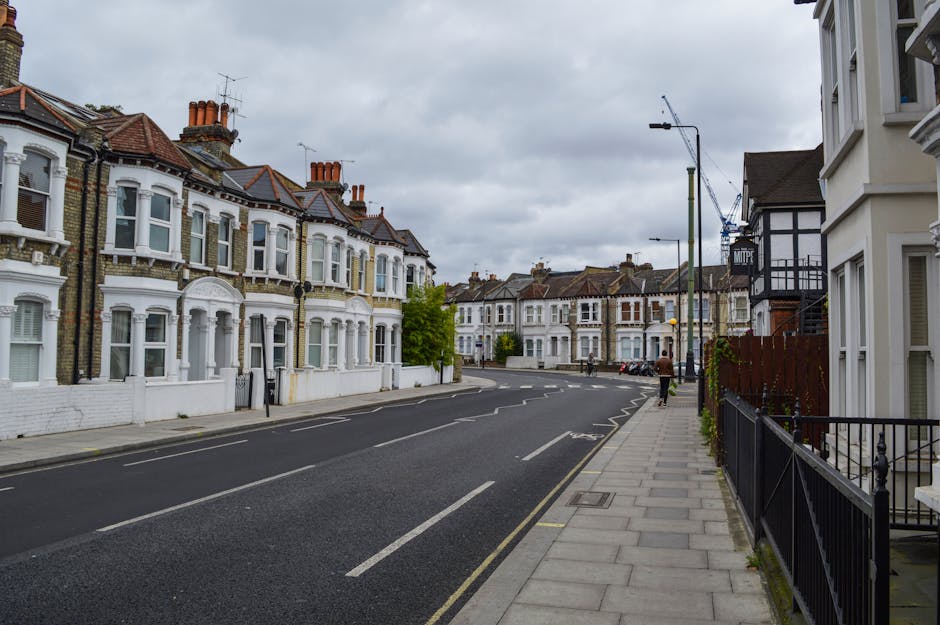
If you are moving in or out of Falcon Road estate, the big headache is often not the lifting. It is the access. Narrow approaches, shared spaces, parked cars, tight turn-ins and the simple question of where the van can stop can turn a tidy move into a long, stressful day. This guide to Falcon Road estate removals and parking tips in Battersea is designed to help you plan sensibly, avoid the usual bottlenecks and keep the move moving. If you are organising a flat move, a family home move, or just shifting a few bulky bits, the right parking and loading plan makes a real difference.
To be fair, most people only think about boxes and bubble wrap until the removals van arrives and the road suddenly feels much smaller than expected. That is exactly why a little local planning goes a long way. Below, you will find practical advice on access, vehicle positioning, timing, packing, permissions and the small things that save time on the day.
Why Falcon Road estate removals and parking tips in Battersea Matters
Falcon Road estate has the kind of moving-day challenges that catch people out if they assume it is just another London street move. Estate layouts can be awkward. Blocks may sit around shared forecourts or internal access roads. Visitor spaces, resident bays and loading areas may all be limited. And once one vehicle is stopped in the wrong place, everyone else has to work around it.
This matters because removals are time-sensitive. The longer the vehicle is parked far from the entrance, the more carrying is needed. The more carrying is needed, the more risk there is of damage, fatigue and delay. A move that should be calm and controlled can get noisy and rushed very quickly. I have seen that happen with a simple sofa and a lift that was already booked by somebody else. Nothing dramatic, just one of those small delays that snowball.
Parking also affects safety. If the van is too far away, items are moved across pavements, curbs or around other cars. That can be awkward with wardrobes, mattresses, white goods and anything fragile. Good parking planning is not a luxury. It is part of the move itself.
For people comparing services, it is also a useful clue about professionalism. A removal team that thinks ahead about access, vehicle size and loading position is usually the kind of team that will also protect doorways, wrap furniture well and keep communication clear. If you are still choosing a provider, it can help to look at the wider range of removal services and, if your move is mainly a home move, the specialist support listed under home moves.
How Falcon Road estate removals and parking tips in Battersea Works
The basic idea is straightforward: plan where the removal vehicle will stop, confirm how long it can stay there, and make sure the path from van to front door is as short and clear as possible. In practice, that means looking at both the estate layout and the type of move you are doing.
Most Falcon Road estate removals work best when you think in layers:
- Access layer: Can the van reach the building easily, or will it need to stop outside the estate entrance?
- Parking layer: Is there a loading bay, visitor bay or safe kerbside stopping point?
- Timing layer: Will your loading window clash with school run traffic, local commuter traffic or lift restrictions?
- Handling layer: How far are heavy items from the vehicle, and will you need trolleys or extra helpers?
That is the real rhythm of the day. Not just "where does the van go?", but "how does the whole move flow from room to road?".
If you are using a smaller vehicle for a lighter move, a service such as man and van or man with van may be enough. For larger moves, a bigger vehicle such as a moving truck or a full team through removals may be more practical, especially if parking is limited and you want to reduce the number of trips.
Some moves also benefit from a split approach. For example, if furniture is going into short-term storage before the new place is ready, you may want to combine the move with storage. That can take pressure off the parking window and stop the whole day becoming a race.
Key Benefits and Practical Advantages
Getting the access and parking right gives you much more than convenience. It changes the whole feel of moving day.
- Less physical strain: Shorter carrying distances mean fewer awkward lifts and less exhaustion.
- Lower risk of damage: Furniture spends less time being moved through tight corners and along crowded walkways.
- Faster loading and unloading: A van parked correctly can save a surprising amount of time.
- Better coordination: Everyone knows where to stand, what to carry and where to place items.
- Less stress on neighbours: A tidy, respectful setup reduces friction in shared estate spaces.
There is also a money angle, though it is not always talked about clearly. Delays caused by poor parking or bad access can increase labour time and push the move into a longer slot. A well planned removal can sometimes be far more efficient than a cheaper quote that did not account for the reality of the estate. That is one reason people often ask for pricing and quotes early, before they commit to a date.
Expert summary: For estate moves, the best outcome usually comes from combining the right vehicle size, a short loading route, clear communication and a realistic time window. Parking is not an afterthought; it is part of the moving strategy.
Who This Is For and When It Makes Sense
This advice is useful if you are moving from a one-bedroom flat, a family apartment, a shared house or even a small office unit near Falcon Road. It is especially relevant if any of the following apply:
- you are moving from a block with limited resident parking
- you expect a lift wait or a long internal walk from door to van
- you have larger items such as beds, wardrobes or appliances
- you are moving on a busy weekday morning
- you need the van to stop briefly rather than park for a long time
- you are arranging a same-day or short-notice move
Students moving into or out of the area often need simple, efficient help and may benefit from student removals. Meanwhile, people relocating a business or home office may be better served by office relocation services if equipment, files and timing all need extra care. It is not always about the biggest vehicle. Sometimes it is about the neatest fit.
If you are clearing furniture before a move, or getting rid of pieces you do not want to take with you, the pages for furniture removals and furniture pick up can also be useful. A little practical planning here saves you from moving clutter twice. Nobody wants that.
Step-by-Step Guidance
Here is a sensible, local-first way to organise Falcon Road estate removals and parking tips in Battersea without overcomplicating it.
- Check the exact access point. Walk the route from the estate entrance to your front door or block entrance. Notice gates, steps, low railings, corners and any narrow sections.
- Identify the best stopping place. Look for legitimate loading spots, visitor bays or the safest short-stay location near the estate. If none exists, plan for the closest practical drop-off point.
- Match the vehicle to the space. A smaller van may make more sense than a larger vehicle if the estate is tight. If the move is bigger, a fuller lorry may still be the right call, but only if access is workable.
- Time the move carefully. Early starts are often calmer. Mid-morning can be easier than the school-run rush or the late-afternoon squeeze. Sometimes 8:00 feels a bit brutal, but it does help.
- Pre-pack for fast loading. Label boxes clearly, dismantle bulky furniture where possible and keep essentials together. That way the team can load in order, not in a scramble.
- Protect the building and the items. Door frames, lifts and furniture edges should be covered or wrapped to reduce scuffs and knocks.
- Set the unloading plan first. Know which room each item is heading to before the van arrives. It sounds obvious. It is also the bit people forget.
For many households, packing and boxes support makes this stage much easier, especially if you are short on time. And if you need help with unpacking on arrival, packing and unpacking services can remove a lot of pressure from the first evening in a new place.
Simple moving-day order that works well
In real life, the smoothest moves tend to follow a practical order:
- reserve or confirm the loading position
- bring down boxed items first
- load large furniture while the route is still clear
- keep fragile items separate
- do a final sweep for keys, chargers and paperwork
It is not fancy, but it works.
Expert Tips for Better Results
A few small decisions can improve the whole move more than most people expect.
- Measure the awkward things first. Wardrobes, sofas and headboards are usually the troublemakers. If they fit through the door, great. If not, plan dismantling in advance.
- Keep a parking buffer. Even a few extra minutes can help if another vehicle is temporarily in your planned spot.
- Use one person as the access lead. Too many people giving instructions at once can slow things down. One calm voice is enough.
- Tell neighbours early if needed. A quick heads-up can reduce complaints when the loading area is busy.
- Separate essentials from the main load. Put kettle, phone charger, medicines, documents and basic toiletries somewhere you can reach them.
For larger or more complicated jobs, it can also help to choose a provider that handles different move sizes, from flat removals to house removals. If the move is business-related, a team experienced in commercial moves or office removals may be better suited to tight timing and estate access rules.
And if you are moving valuable or awkward items, such as a piano, do not try to wing it. That is one of those jobs where a specialist approach matters more than bravado. For that kind of move, piano removals is the safer route.
Common Mistakes to Avoid
Most moving mistakes on estates are simple, human ones. The good news is they are easy to avoid once you know what they look like.
- Assuming parking will "sort itself out". It rarely does.
- Booking a vehicle that is too large for the access. Bigger is not always better.
- Leaving packing until the night before. That creates rushed loading and more breakages.
- Forgetting building rules or resident considerations. Shared estates are not private driveways.
- Not planning for storage or temporary gaps. If your move-out and move-in dates do not align, you will feel the pinch fast.
- Trying to move too much in one trip without enough help. It sounds efficient, but it can get messy quickly.
A small but common one: people pack cleaning supplies in the deepest part of the van. Then they need them first. That is just moving life, really.
If you want a little more confidence around the company side of things, it is sensible to review operational and customer-facing pages such as about us, insurance and safety and health and safety policy. They help you understand how a provider approaches risk, care and responsibility.
Tools, Resources and Recommendations
You do not need a complicated toolkit for an estate move, but a few basic items make everything easier.
| Item | Why it helps | Best for |
|---|---|---|
| Furniture blankets | Reduce knocks and corner damage during loading | Sofas, tables, cabinets |
| Labels and marker pens | Speed up unloading and room placement | Every box, especially mixed contents |
| Flat trolley | Makes heavier items safer to move over short distances | Appliances, stacked boxes, heavy furniture |
| Bag for essentials | Stops small but vital items getting lost | Keys, documents, chargers, meds |
| Spare tape and scissors | Useful when boxes split or labels need fixing | Last-minute packing adjustments |
From a service perspective, you may want to compare removal van options with a larger removal truck hire setup. The right choice depends on volume, access and how far the vehicle has to stop from the property. If you are moving a lighter load or a smaller flat, a man with a van arrangement can be more efficient and less bulky for estate access.
It is also worth thinking about payment and trust before moving day. A straightforward provider should make it easy to understand terms, pricing and security. Pages like payment and security and terms and conditions are useful to review so there are no surprises. If you care about waste handling too, recycling and sustainability is worth a look, especially when unwanted furniture is being removed.
Law, Compliance, Standards, or Best Practice
For estate removals, the key point is not to guess your way through parking and access. Use common-sense best practice and respect local rules, resident rights and building requirements. In Battersea, as in much of London, parking space is limited and enforcement can be active. That means a loading plan should be realistic, lawful and considerate.
Here are the main standards to keep in mind:
- Do not block access routes. Keep emergency access, footpaths and communal entrances clear.
- Follow estate instructions. If building management has a loading procedure, use it.
- Respect time limits. Loading areas may be short-stay only, so build your schedule around that.
- Use safe lifting practices. Heavy or awkward items should be handled with care and, where needed, proper equipment.
- Check insurance and process clarity. You want to know how goods are handled and what happens if an issue arises.
For business moves, compliance matters a bit more because work equipment, files and equipment downtime can affect operations. That is where a careful approach to office relocation services becomes valuable. If you are dealing with a smaller, urgent change of plan, same day removals may be the sensible option, but only if access and parking can still be managed properly. Rush is fine. Chaos is not.
For extra reassurance on how the business operates more broadly, you may also want to review modern slavery statement, privacy policy and complaints procedure. They are not moving-day documents as such, but they do show the wider standards behind the service.
Options, Methods, or Comparison Table
Choosing the right approach depends on volume, access and how much help you need on the day. Here is a simple comparison that reflects the kind of practical decisions people make around Falcon Road estate moves.
| Method | Best for | Strengths | Limitations |
|---|---|---|---|
| Man and van | Smaller loads, short-distance moves, flexible timing | Agile, often easier to position near tight access | May require more than one trip for larger homes |
| Removal van | Typical flat moves and mixed furniture loads | Good balance of size and manoeuvrability | Still needs sensible parking planning |
| Moving truck | Larger homes, heavier volume, fewer trips | Efficient for bulk moves | Harder to place in tight estate access points |
| Storage-first move | Delayed completion dates or staged relocation | Reduces pressure on move day | Requires more planning and coordination |
In real terms, the best option is usually the one that fits the estate rather than the one that looks impressive on paper. A smaller, well-run vehicle can beat a large, awkward setup hands down if parking is the main constraint.
Case Study or Real-World Example
Imagine a couple moving from a second-floor flat on Falcon Road estate into a new place across Battersea. They have a sofa, bed, dining table, a few boxes of books and the usual kitchen bits that somehow multiply overnight. The first instinct is to book the biggest vehicle possible and hope for the best. But the estate layout is compact and the turning space is not generous.
Instead, they choose a medium-sized van, agree an early morning slot and walk the route the day before. They notice that the nearest straightforward stopping point is actually just outside the main entrance, not right by the block. That means a short carry, but not a terrible one. They label the boxes, dismantle the bed frame in advance and keep the parking plan simple. On the day, the move is done before lunch, with less noise, fewer awkward turns and no need to keep shuffling vehicles around.
That sort of move is not glamorous. But it is efficient. And honestly, efficient is what you want when the kettle is packed and nobody can find the mugs.
If they had needed temporary holding space for furniture, they could have added storage. If they had been clearing out unwanted items first, furniture removals would have helped reduce the load. A small bit of forethought turns a potentially messy morning into something manageable.
Practical Checklist
Use this checklist in the days before the move. It is simple, but it catches most of the things that cause delays.
- Confirm the moving date and loading window.
- Check estate access, gates and any building rules.
- Decide where the van will stop.
- Measure large furniture and identify items to dismantle.
- Pack and label boxes by room.
- Set aside essentials for first-night access.
- Tell neighbours if the move may affect shared space.
- Review the provider's insurance and safety information.
- Keep walkways clear on the day.
- Have keys, phones and paperwork in one easy-to-reach place.
If you are still at the planning stage, it may also help to review service pages for the type of move you are doing, whether that is house removalists, flat removals or a more general removal companies comparison. Different move types need slightly different planning, and that is perfectly normal.
Conclusion
Falcon Road estate removals and parking tips in Battersea come down to one thing: making the move fit the place, not forcing the place to fit the move. When you plan access carefully, choose the right vehicle, and keep the loading route short and clear, the whole day feels lighter. Less shouting, fewer delays, better flow. Simple, really.
That does not mean every move will be perfect. A parked car may appear where it should not. A lift may be slower than expected. Someone may still misplace the tape. But with a decent plan, those little hiccups stay little. And that is what counts.
If you want support that takes local access, parking and practical moving realities seriously, start by comparing the right service fit for your move and reviewing the company information that builds confidence before booking.
Get a free quote today and see how much you can save.
And if all you manage today is one neat box, one clear doorway and one sensible parking plan, that is still a good start. Moving is rarely elegant, but it can be calm.
Frequently Asked Questions
What makes Falcon Road estate removals different from a normal Battersea move?
The main difference is access. Estate layouts often mean tighter parking, shared routes, resident bays and shorter loading windows. The move itself may be simple, but the parking and carrying plan needs more thought than a standard curbside house move.
Should I book a smaller van for a Falcon Road estate move?
Sometimes, yes. If access is tight or parking space is limited, a smaller vehicle can be easier to position and may reduce the amount of manoeuvring needed. For bigger loads, though, a larger vehicle may still be the better choice if the route allows it.
How early should I plan parking for moving day?
As early as possible. Ideally, think about it at the same time as the move booking. Even if you cannot reserve a specific space, you should still know where the van can safely stop and what the fallback option is if that space is taken.
What if there is no obvious parking space near my building?
Then you need to plan for the closest safe stopping point and keep the load route short. In some cases a smaller vehicle, extra carrying help or a staged load is the best answer. Trying to force a large van into an unsuitable space usually creates more problems than it solves.
Are removal services useful for flat moves in Battersea?
Very much so. Flat moves often involve stairs, lifts, controlled access and limited nearby parking. A team that understands flat removals can save time and reduce the risk of damage.
Do I need packing help if the move is only small?
Not always, but it can still help if you are short on time or moving fragile items. Even a modest number of carefully packed boxes can make loading quicker and smoother. If you have a lot of mixed contents, packing and boxes support can be worthwhile.
Can I combine removal and storage if the new property is not ready?
Yes, and that is often a sensible way to reduce pressure. If there is a gap between move-out and move-in dates, combining the removal with storage can keep things organised and prevent last-minute panic.
What should I check before trusting a removals company?
Look at practical details such as insurance, safety practices, pricing clarity and the company's approach to complaints and terms. Pages like insurance and safety and terms and conditions are useful for that reason.
Is a same-day move realistic in Falcon Road estate?
It can be, but only if access is workable and the vehicle size is suitable. Same-day removals tend to suit smaller, urgent jobs best. If parking is likely to be difficult, some advance planning is still essential, even when the timeline is tight.
What is the best time of day for a Battersea estate move?
Earlier in the day is often easier because roads and shared spaces are usually quieter. That said, the right time depends on your building, lift access and any estate rules. A calm morning slot is usually better than trying to squeeze everything into a busy afternoon.
Do I need specialist help for heavy items like pianos?
Yes, if the item is heavy, delicate or awkward to move through a tight space. A piano is a classic example where specialist handling matters. It protects both the item and the building, which is usually a very good thing.
How do I avoid upsetting neighbours during the move?
Keep the parking plan tidy, avoid blocking shared access and give neighbours a bit of notice if the move will affect common areas. People are usually much more relaxed when they know what is happening and when the disruption will end.
Where can I find more information about the company behind the service?
You can review pages such as about us, contact us and pricing and quotes to understand the service, ask questions and decide whether it suits your move.